


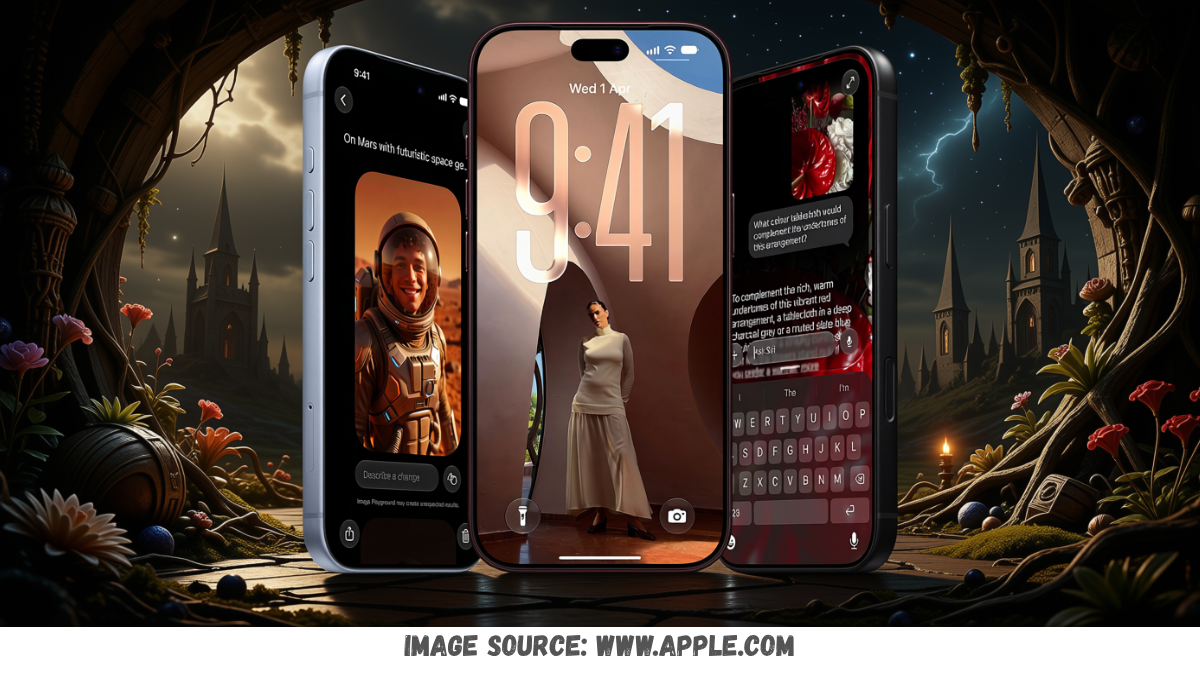
Apple dropped the iPhone 18 Pro and iPhone 18 Pro Max on September 9, 2026, and the internet has spent the last week and a half doing what it does best: unboxing, benchmarking, weighing on kitchen scales, and writing extremely long articles about a rectangle.
Pre-orders opened September 12, the phones hit shelves in more than 65 countries on September 18, and — right on schedule — a small army of tech journalists got early units and produced a flood of iPhone 18 Pro first impressions that range from “genuinely impressed” to “fine, I guess, but why does it weigh so much.”
So let’s do the thing this entire industry loves to do: dissect a phone before anyone has used it long enough to drop it in a toilet. Here’s the full breakdown of the iPhone 18 Pro first impressions circulating right now, stitched together from the outlets that got hands-on time before the rest of us mortals.
The Burgundy Elephant in the Room
Let’s start with the part everyone actually cares about: the colors. Apple ditched the two-tone look from the iPhone 17 Pro generation, and reviewers immediately noticed. MobileSyrup, in one of the earliest published iPhone 18 Pro first impressions pieces, described the Burgundy finish as muted compared to last year’s Cosmic Orange, elegant, and reminiscent of a red wine on a nice day. Poetic.
Somewhere, a sommelier is updating their resume to “iPhone colorway consultant.”
MacRumors backed this up in its own hands-on coverage, noting that Apple color-matched the aluminum frame to the glass back this year, making the phone look far more uniform than the two-tone iPhone 17 Pro, and confirming the four available finishes: silver, black, burgundy, and a light blue called glacier.
The general consensus across every iPhone 18 Pro first impressions piece we found: burgundy is the one people are actually fighting over, and black’s return is being treated like a beloved sitcom character coming out of retirement.
The Camera Everyone’s Actually Excited About
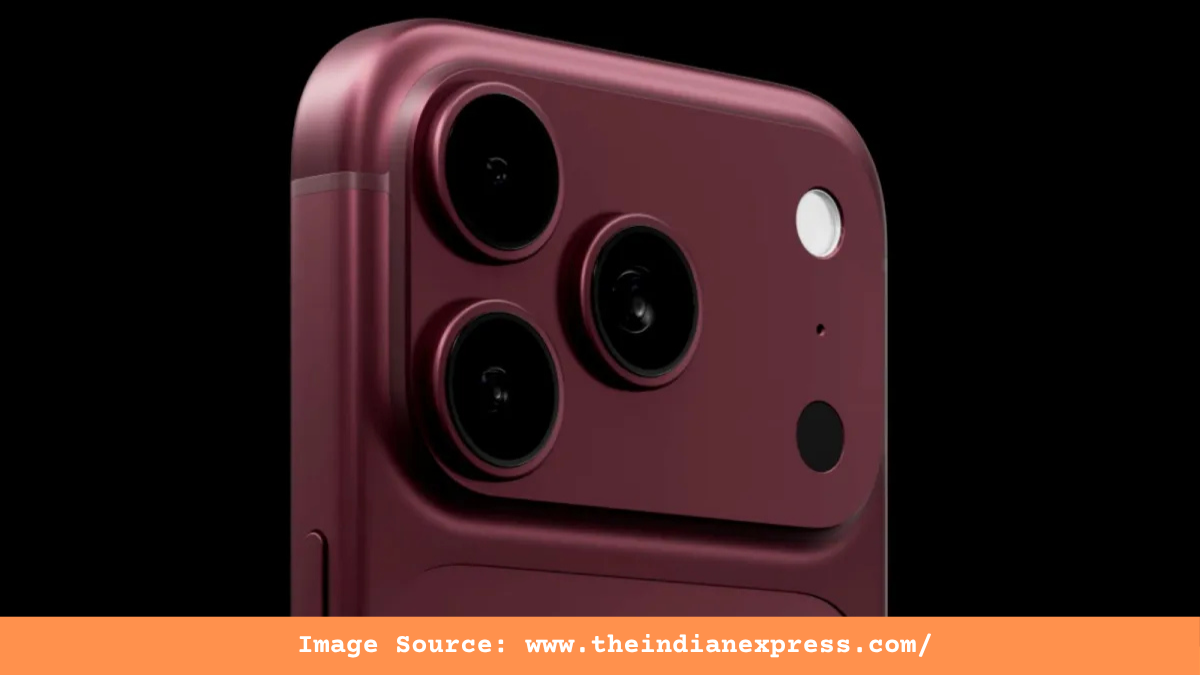
Here’s where things stop being about paint jobs and start being genuinely interesting. The headline feature of the iPhone 18 Pro is a true mechanical variable aperture on the 48MP Fusion Main camera — the first time Apple has ever put one in an iPhone.
Man of Many got hands-on time and came away impressed, explaining that the lens uses six laser-cut blades driven by a precision rotor to shift between four physical apertures — f/1.48, f/1.8, f/2.8, and f/4.0. In automatic mode, the phone shifts the aperture on its own based on lighting, subject distance, motion, and even whether you’re photographing a document — which is either magical or slightly unsettling, depending on how you feel about your phone making creative decisions without asking.
9to5Mac’s review echoed the enthusiasm, calling this the first time the iPhone has ever featured a variable aperture camera, and noting that in testing, the aperture made a real difference at night — opening to f/1.48 to gather more light — and in close-up scenes, where it closes down to f/4 to keep both subject and background sharp.
MobileSyrup’s iPhone 18 Pro first impressions piece added that Apple’s own claim is a 50 percent increase in light capture compared to the iPhone 17 Pro, and that Apple has finally — finally — added real Pro camera controls, letting you manually adjust shutter speed and white balance and view a histogram before you even take the shot.
Translation for the non-photographers reading this: your iPhone now has the control scheme of an actual camera, which is either the feature you’ve been begging for since 2019 or a UI element you will never, ever touch.
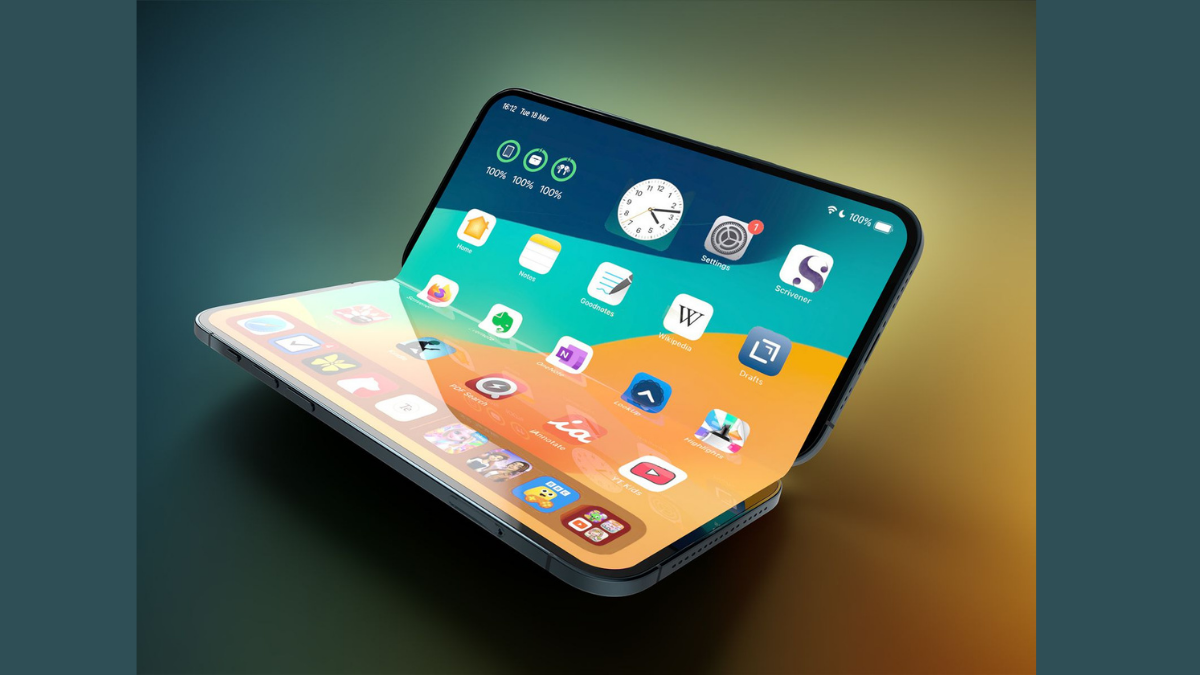
Also Read: iPhone Duo First Impressions: The Tech Internet Has Officially Lost Its Hinge
The Chip Nobody Can Stop Bragging About
If the camera is the flashy headline, the A20 Pro is the “trust me, this matters” upgrade. It’s Apple’s first 2-nanometer chip, built on TSMC’s new Gate-All-Around transistor process, and every single outlet covering iPhone 18 Pro first impressions made sure to mention it.
MacRumors’ review roundup cited Gizmodo’s own benchmarking, which found the iPhone 18 Pro scoring 4,027 on Geekbench single-core and 11,540 multi-core, compared to the iPhone 17 Pro’s 3,258 and 9,167 — a roughly 24 percent single-core boost and a 26 percent multi-core boost.
Tom’s Guide went even further, declaring the A20 Pro the fastest chip they’ve ever tested, outperforming every Android flagship they threw at it, including scoring roughly 25 percent higher than the Galaxy S26 Ultra’s Snapdragon chip on single-core tests. That’s not a subtle victory lap — that’s Apple doing donuts in Samsung’s parking lot.
The chip’s specs, per Apple’s own technical page, include a 6-core CPU with 2 super cores and 4 efficiency cores, a 7-core GPU with Neural Accelerators, and a dual 16-core Neural Engine with hardware-accelerated ray tracing.
To keep that much silicon from turning your pocket into a panini press, Man of Many noted a redesigned vapor chamber embedded directly into the phone’s structure, with three times the surface area of the previous generation, paired with a new copper display plate and more thermally conductive graphite. Basically: more power, allegedly less heat. We’ll believe the “less heat” part once August rolls back around.

The Not-So-Fun Parts: Heavier and Pricier
No iPhone 18 Pro first impressions roundup would be complete without the annual ritual of tech reviewers weighing the phone and sighing audibly. MacRumors’ unboxing coverage confirmed both the 18 Pro and Pro Max are heavier than their iPhone 17 Pro predecessors, with the Pro Max jumping from 233 grams to 249 grams — noticeable the second you pick it up, according to the outlet.
And then there’s the price. According to MacRumors’ “Everything We Know” roundup, the iPhone 18 Pro starts at $1,199 for 256GB, with the Pro Max starting at $1,299, and a 2TB storage option is new to the smaller 18 Pro this year. Tom’s Guide didn’t sugarcoat it, pointing out that buyers are paying $100 more for both Pro phones this generation. So: heavier, pricier, and armed with an aperture ring. The iPhone giveth, and the iPhone taketh from your bank account.
Real-World Testing: The iPhone Air Defector’s Account
Not every iPhone 18 Pro first impressions piece came from a press briefing table. tbreak’s review documented an actual human switching from the featherweight iPhone Air back to the Pro, and the migration alone was an adventure — the data transfer took around three hours and forty-five minutes, well under Apple’s initial seven-hour estimate.
The reviewer’s real hesitation wasn’t about specs at all; it was about giving up the Air’s slim profile in exchange for the Pro’s return of a full multi-camera system, more battery headroom, and better speakers. It’s the most relatable entry in the entire iPhone 18 Pro first impressions news cycle: a person genuinely torn between “thin and cool” and “practical and heavy,” which is basically the human condition in phone form.
Design: Same Silhouette, Sneakier Changes
If you were hoping for a total redesign, tech media is unanimous: not this year. As MacRumors’ first-look coverage put it, the iPhone 18 Pro and Pro Max look almost identical to the iPhone 17 Pro, with no changes to size, shape, or the 6.3-inch and 6.9-inch display options. But there are quieter tweaks under the glass.
Earlier rumor coverage from PhoneArena had speculated Apple might ditch the pill-shaped cutout entirely for an under-display Face ID system, though the final shipping phones kept a Dynamic Island — just a smaller one, according to multiple iPhone 18 Pro first impressions reports. Durability also got a bump: Man of Many noted Ceramic Shield 2 on the front offers three times the scratch resistance of the iPhone 15 Pro, while the rear glass is rated for four times greater crack resistance.

So, Are the iPhone 18 Pro First Impressions Actually Good?
Mostly, yes — with an asterisk the size of a camera bump. Every outlet agrees the variable aperture camera is the real headline, the A20 Pro chip is a legitimate performance leap (Apple’s first 2nm chip in a phone, which matters more than the usual yearly bump), and the new colors — especially burgundy — are winning people over.
The trade-offs are the same ones Apple fans have grumbled about for a decade: it’s heavier, it’s pricier, and if you’re coming from an iPhone 17 Pro, the outside of the phone will barely register as new to anyone who isn’t already deep in an iPhone 18 Pro first impressions rabbit hole like this one.
If you’re due for an upgrade, or you’re the kind of person who gets genuinely excited about aperture blades, this is shaping up to be one of the more substantive Pro refreshes in years. If you’re still rocking an iPhone 15 Pro and just want a phone that makes calls and doesn’t catch fire, you can probably sit this one out — guilt-free — until the inevitable iPhone 19 hype cycle begins approximately four minutes after you finish reading this sentence.
Want this formatted as a downloadable article (Word doc or Markdown file) instead of a chat post?


One thought on “iPhone 18 Pro First Impressions: Apple’s “New” Phone That Looks Suspiciously Like Last Year’s Phone (But Isn’t)”