Android 17 officially introduces desktop-level multitasking, profound AI integration, and advanced foldable gaming modes to modern smartphones.
The core Android 17 Main Features include App Bubbles for floating window management, an agentic Gemini Intelligence platform capable of controlling apps, and a comprehensive Material 3 Expressive design overhaul.
Currently rolling out to Pixel devices as of June 2026, this operating system fundamentally redefines productivity and security across the entire mobile ecosystem.
Security and digital wellbeing are heavily prioritized in this iteration. Users can now lock missing phones using biometrics via the enhanced Find Hub, while the new Pause Point feature forces a 10-second delay before opening distracting applications.
Furthermore, native desktop mode integration finally allows compatible phones to function as fully featured workstations when connected to external displays.
Unprecedented Multitasking and Gaming Upgrades
The App Bubbles Revolution
App Bubbles fundamentally transform how users interact with Android by allowing any application to operate as a compact, floating window. On large-screen devices, these windows dock directly into a dedicated bottom bar, enabling instant switching and resizing. As noted by XDA Developers, this feature finally brings true, out-of-the-box windowed multitasking to the standard Android experience.
Optimized Foldable Gaming
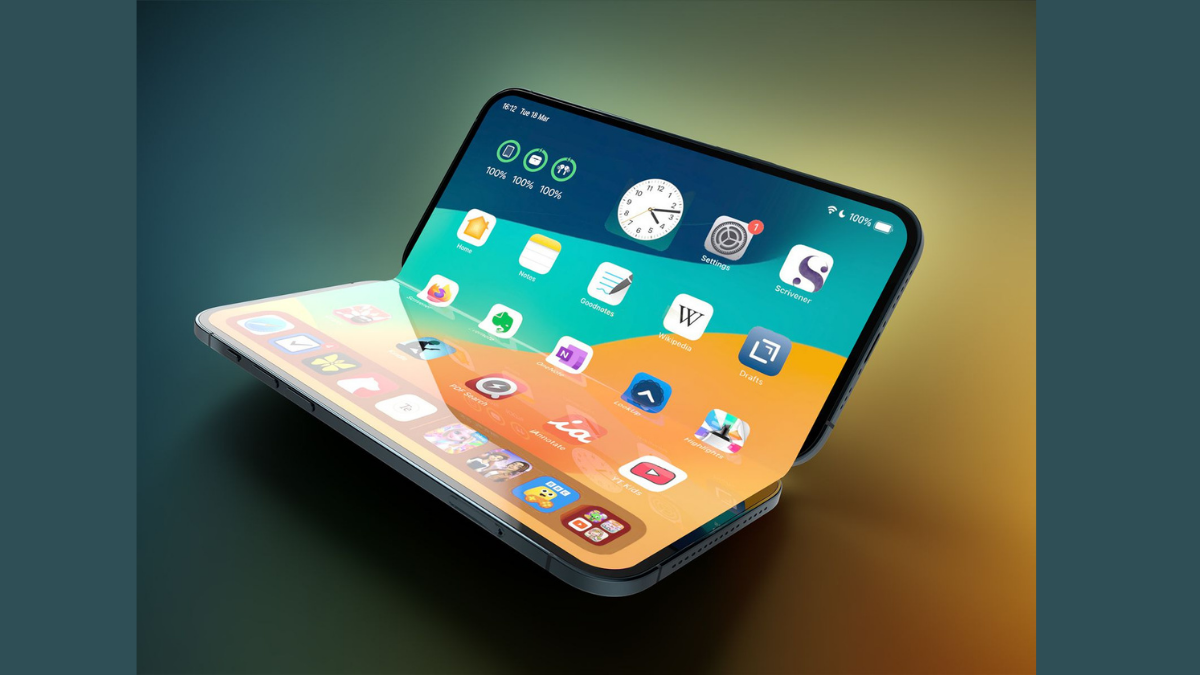
For hardware enthusiasts, Android 17 maximizes foldable phone utility with a dedicated 50/50 gaming layout. This specialized mode places the game view on the top display while transforming the bottom half into a dynamic gamepad. The system also introduces native controller remapping and more efficient memory cleanup to eliminate frame drops during high-definition gaming sessions.
AI Integration and Privacy Overhauls
Agentic Gemini Intelligence
The upcoming Gemini Intelligence platform represents a massive leap toward agent-style AI assistants capable of autonomously operating applications. Instead of merely answering questions, the system can parse voice commands to book appointments, send files, or order coffee without manual input. However, this advanced functionality requires a flagship-grade processor, Gemini Nano v3, and a minimum of 12GB of RAM.
Biometric Security and Content Control
Security features have received significant upgrades, notably the requirement of biometric authentication for the “Mark as lost” function. Users can now grant temporary location access and restrict contact sharing to specific individuals rather than the entire address book. The new built-in App Lock also provides universal PIN or biometric protection for individual applications.
Bulleted Breakdown of Obscure Technical Specifications
To fully understand the foundational changes driving the Android 17 Main Features, here is a definitive technical breakdown of the system upgrades:
- Material 3 Expressive UI: The new design language introduces frosted glass effects, springier physics-based animations, and a mandatory auto-theming system for third-party icons.
- Split-Screen Expansion: A highly specific 90:10 split-screen ratio has been added for ultra-tall phones, accessible by dragging an app to the display edge.
- Screen Reactions Toolkit: Users can simultaneously record their device screen and their selfie camera to create reaction videos without requiring secondary apps or green screens.
- Visual Redesigns: All roughly 4,000 standard Android emojis have been entirely remodeled to feature a modernized 3D aesthetic.
- Continue On Framework: This deep system integration allows users to seamlessly pick up tasks where they left off across different connected devices.
Desktop Mode and Visual Enhancements
Native Workstation Capabilities
The native Desktop Mode acts as a direct competitor to Samsung DeX, providing a full taskbar, resizable floating windows, and interactive picture-in-picture upon connection to an external display. This transforms compatible flagship devices into viable laptop replacements for mobile professionals. According to Nokia Power User, desktop-level multitasking represents one of the core pillars of Android’s future trajectory.
A Modernized Aesthetic
Visually, the Material 3 Expressive overhaul introduces translucent elements, such as volume sliders that allow wallpapers to subtly bleed through. Publications like TechCabal have highlighted these aesthetic changes as the most visible indicators of the new operating system’s modernized identity. Furthermore, the introduction of customizable lock screen widgets allows users to create smart dashboards for immediate information retrieval.
Also Read: Top 5 Android 17 Features By NokiaPowerUser.com
Some Closing Thoughts
Ultimately, the rollout of Android 17 signifies a massive paradigm shift for mobile computing. By perfectly balancing the heavy automation of Gemini Intelligence with the practical, user-driven utility of App Bubbles and Desktop Mode, Google has successfully engineered an operating system that feels comprehensively mature.
As this software scales beyond Pixel devices to the wider Android ecosystem throughout 2026, these aggressive feature sets are mathematically guaranteed to elevate the daily workflows of millions of users worldwide.
You can take a deeper dive into the latest version on Google’s own blog post on the matter by clicking right here.
Let us know what are your thoughts on the latest iteration of Android, and keep coming back to ScreenTrak for the latest in the world of entertainment!
Frequently Asked Questions (FAQs)
What are the core Android 17 Main Features?
The core Android 17 Main Features include App Bubbles for floating window multitasking, the agentic Gemini Intelligence platform, foldable gaming optimizations, and the Material 3 Expressive design overhaul.
Does Android 17 have a desktop mode?
Yes, Android 17 introduces a native Desktop Mode featuring a taskbar, resizable floating windows, and full keyboard/mouse support when connected to an external display.
What AI features are included in Android 17?
Android 17 includes Gemini Intelligence, an agentic AI system that can autonomously operate applications, navigate menus, and complete tasks like booking appointments based on voice commands.