
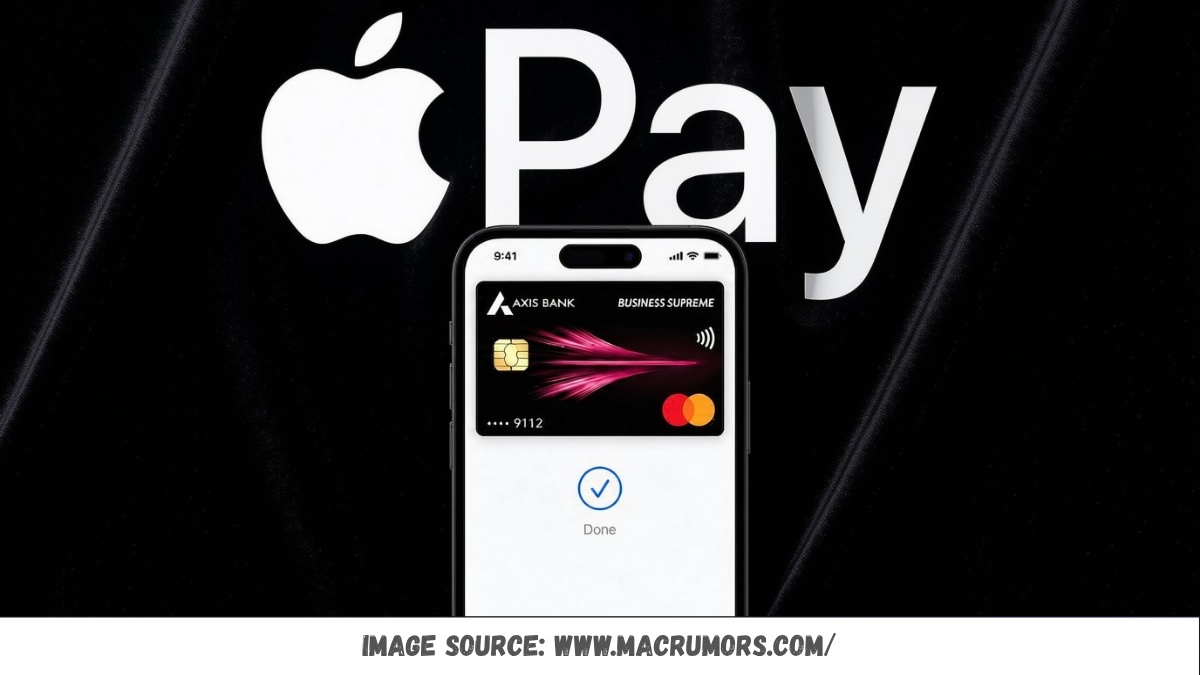
Apple Pay India is no longer a rumor whispered in tech Slack channels or a recurring “any day now” headline that journalists have been recycling since roughly the Obama administration.
As of September 30, 2026, Apple officially launched Apple Pay in India, marking a significant expansion of its digital payment services in a rapidly growing cashless economy, according to GuruFocus. After roughly twelve years of “we’re definitely coming to India soon,” Apple Pay India has gone from vaporware to something you can actually tap your iPhone against at a checkout counter. Somewhere, a product manager is finally allowed to take a vacation.
The Actual Launch: What’s Real, What’s Hype
Let’s start with the facts, because Apple Pay India has had more false starts than a Bollywood sequel that keeps getting announced and then quietly shelved.
TechCrunch, which broke the story first, reported that Apple began rolling out Apple Pay in India on Tuesday. The rollout, however, comes with an asterisk the size of the Taj Mahal: Apple Pay supports eligible Axis Bank cards on Visa and Mastercard, but not India’s homegrown RuPay network.
And in a plot twist that surprised precisely nobody who’s been following the saga, HDFC Bank, ICICI Bank, and SBI Card are not supporting Apple Pay at launch as negotiations over commercial terms continue. So if your credit card doesn’t say “Axis Bank” on it, Apple Pay India is currently giving you the digital equivalent of a polite nod and nothing else.
For those keeping score, GuruFocus confirmed that the service is initially available through a partnership with Axis Bank, enabling users with Axis Bank Visa and Mastercard credit cards to make NFC-based payments across numerous retail and online platforms.
Translation: Apple Pay India is real, it’s live, and it’s currently the world’s most exclusive club — membership requires an Axis Bank card and, presumably, a great deal of patience.
The Twelve-Year Wait, in Brief
Apple Pay India’s backstory reads less like a product launch and more like a long-distance relationship with commitment issues. TechCrunch’s earlier 2023 report noted that Apple’s executives told press over six years ago that Apple plans to bring Apple Pay to the country — and never followed up, while the company quietly kept restarting conversations with regulators behind the scenes.
Even that piece pointed out the awkward truth that India is a tiny market for Apple and a possible launch of Apple Pay is unlikely to disrupt incumbents like PhonePe and Google Pay.
By September 2026, Reuters via TheApplePost was reporting that Apple had held talks with ICICI Bank, HDFC Bank, and Axis Bank, alongside global payment networks, and that an October launch would end a wait of almost 12 years for Apple Pay in India.
So yes — Apple Pay India technically arrived a few weeks ahead of schedule, which for Apple counts as being wildly, uncharacteristically early.
Bloomberg’s Mark Gurman, via his Power On newsletter, had already flagged the same timeline, and Payment Expert reported that Apple Pay India would arrive with the backing of India-based Axis Bank, noting the bank has over 16 million active credit cards in use since July 2026.
Meanwhile, NewsBytes reported that Apple had even started hiring a business development manager specifically to build local partnerships — corporate speak for “we are actually, finally, for real this time doing the thing.”
The Elephant in the Room: No UPI, No RuPay
Here’s where Apple Pay India’s grand entrance gets a little less grand. India’s digital payments universe doesn’t orbit around credit cards — it orbits around UPI, the free, instant, scan-a-QR-code system that has basically replaced cash for half a billion people.
PaymentsJournal laid out the scale of the mismatch bluntly: UPI dominates India’s everyday digital payments, controlling 85% of all digital transactions, while Google Pay alone processes about 7 billion UPI transactions a month. Apple Pay India, by contrast, is launching into the comparatively tiny card-payments pool.
iGeeksBlog summed up the competitive terrain even more starkly, noting that PhonePe alone holds a commanding 46% market share, and that Apple Pay would only work with iPhones and compatible banks, unlike UPI apps that are accessible across all smartphones.
Meanwhile, PaymentsIndustryIntelligence pointed out that Google Pay and Walmart-backed PhonePe together account for more than 85 percent of UPI transaction volumes — a duopoly so dominant that Apple Pay India is essentially the new kid showing up to a lunchroom where two friends have already claimed the entire table, the good seats, and everyone’s loyalty.
To be fair, this isn’t entirely Apple’s fault. Razorpay’s breakdown confirms that Indian-issued cards can’t be added to Apple Wallet until the domestic launch goes live, and that Apple Pay in India does not officially work yet for domestic payments with Indian bank cards for most users — the Axis Bank rollout is the very first crack in that wall.
And Cashfree’s guide reminds us that banks like HDFC, ICICI, and Axis were reportedly already at the table well before the launch happened, so this was never a solo Apple production — it’s a slow-moving ensemble cast.
Why Apple Is Bothering At All
If Apple Pay India is stepping into a market where it’s outgunned 85-to-15 by UPI, why launch at all? TechCrunch offers the real answer: Apple Pay could appeal to India’s growing base of iPhone users, who tend to be more affluent and are more likely to use premium credit cards, and even if Apple Pay remains a niche service, the economics could still make India meaningful for Apple.
In other words, Apple Pay India isn’t trying to dethrone UPI — it’s trying to make the iPhone itself a little stickier for the people who already own one, and to add another gold star to Apple’s broader India report card, which also includes expanding iPhone sales, local manufacturing, and its retail footprint in the country.
PaymentsJournal even floated the theory that Apple Pay India could punch above its weight given the sheer size and growing affluence of the iPhone-owning population, even while acknowledging PhonePe and Google Pay’s dominant grip on the wallet space. It’s less “disruption” and more “polite, well-dressed coexistence.”
What’s Still Missing (For Now)
If you’re hoping Apple Pay India will let you scan a chai-wallah’s QR code tomorrow morning — not yet. VarIndia and multiple other outlets note that UPI support remains one of the biggest unresolved questions, with some reports suggesting Apple could introduce card payments first and consider UPI later.
So Apple Pay India, at launch, is a contactless-card story, not a UPI story — a distinction that matters enormously to anyone whose daily transactions run through scan-and-pay rather than tap-and-pay.
The Verdict
Apple Pay India is here, it’s modest, it’s Axis Bank-only, it skips RuPay and UPI entirely for now, and it’s arriving into a market where two other apps already have a combined 85%+ chokehold on digital payments. And yet — twelve years is twelve years.
Apple Pay India finally exists, which means the running joke among Indian tech journalists (“Apple Pay is launching next year, again”) can retire, at least for this particular headline.
Whether Apple Pay India becomes a genuine contender or a quiet, premium footnote in the world’s most UPI-obsessed economy is a story that will be written over the next few quarters — but for now, Apple Pay India gets to enjoy its very first, very real launch day.



One thought on “Apple Pay India Has Finally Landed — And the Internet Cannot Stop Talking About It”